Common Problems of Soft-Seated Ball Valves
1. Basic Parameters and Industry Standards of Soft-Seated Ball Valves
1.1 General Technical Parameters
· Nominal diameter: 0.5~48 (DN25~DN1200)
· Nominal pressure: Class150~1500 (PN16~PN250)
· Temperature range: -110~220℃
· Applicable media: Purified water, oil, gas and other common industrial media
1.2 Product Requirements
· The bidirectional sealing performance shall strictly comply with API 598 standards.
· The valve shall keep smooth opening and closing and qualified sealing performance after continuous operation for 3 to 5 years.
2. Common Defects of Commercial Soft-Seated Ball Valves
2.1 Unqualified Sealing Performance
The leakage fails to meet API 598 requirements, and bidirectional sealing cannot be realized under high-pressure working conditions, which directly endangers the safety of medium transportation.
2.2 Frequent Failures in Long-term Operation
· Severe jamming leads to abnormal opening and closing, hindering pipeline flow control.
· Serious internal and external leakage causes unstable operation of equipment, bringing potential safety and environmental risks.
3. Core Causes of Failures
The jamming, internal leakage and external leakage of traditional soft-seated ball valves are mainly caused by wear and deformation of core components:
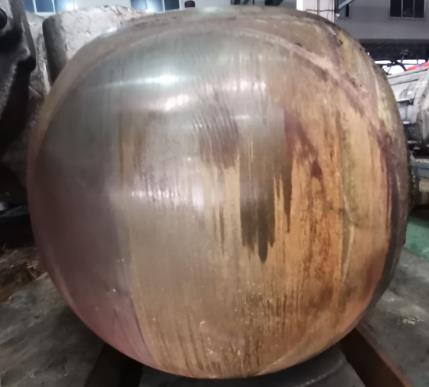
1. Sphere failure causes: creep, corrosion, abrasion, penetrating scratches and scuffs
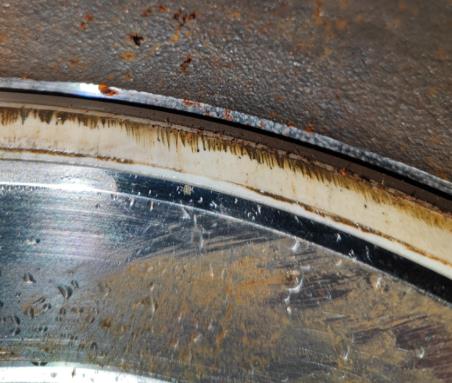
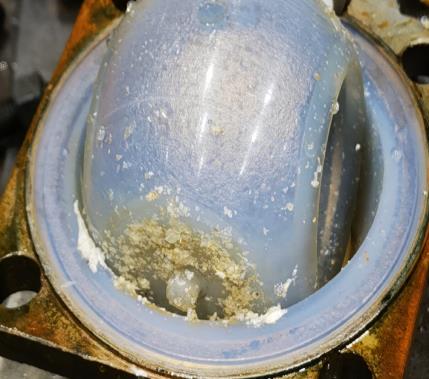
2. Seat failure causes: cold flow, plastic deformation, fatigue, stress concentration and wear
The combination of the above problems will eventually result in seal failure and affect the stable operation of equipment.

Categories
Hot News